
TriathlonRunningSwimmingCyclingBOOK SUMMARY
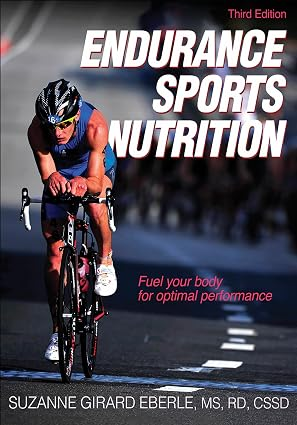
Endurance Sports Nutrition
Discover Suzanne Girard Eberle’s book and why daily nutrition, exercise fueling and logistics need to work as one system.
Summaries
- GeralBook overviewEndurance Sports Nutrition: learning to eat to support training and racingDiscover Suzanne Girard Eberle’s book and why daily nutrition, exercise fueling and logistics need to work as one system.
- 01Chapter 1Does your diet support your training? Building an endurance nutrition foundationLearn to assess meals, identify gaps and read labels so everyday eating supports endurance training.
- 02Chapter 2Carbohydrate, fat and protein: why each fuel has a role in endurance sportUnderstand energy stores, the distinction between availability and utilization rate, and why more protein cannot replace adequate fueling.
- 03Chapter 3Lighter is not always better: body composition and endurance performanceLearn to distinguish body weight, water and tissue, and assess when weight-loss goals compromise strength, recovery and consistency.
- 04Chapter 4Before, during and after: building and checking a session’s fueling planLearn to distinguish carbohydrate, fluid and sodium intake, check labels and turn a fueling strategy into a workable plan.
- 05Chapter 5Endurance supplements: deciding what solves a real problemLearn to distinguish fuel, convenience and deficiency treatment, and assess supplements by purpose, evidence and cost.
- 06Chapter 6Fatigue, cramps and gut discomfort: investigate before trying to fix themUnderstand why similar symptoms require different questions and how to approach food tolerance, iron and low energy availability.
- 07Chapter 7Vegetarian endurance nutrition: replacing nutritional functions, not just removing foodsLearn to build plant-based meals with enough energy and protein, and check iron, zinc, calcium, vitamin D and B12 intake.
- 08Chapter 8Planning meals to train well with a busy scheduleLearn to plan meals and snacks by purpose, create practical alternatives and prevent limited time from becoming inadequate fuel intake.
- 09Chapter 9Races lasting one to four hours: fueling without overdoing it or running on emptyUnderstand why duration, intensity and opportunities to eat matter more than labeling a race “short.”
- 10Chapter 10Long races: turning fueling into a course-specific strategyLearn to connect duration, aid stations, self-sufficiency and actual intake to avoid fueling failures in prolonged events.
- 11Chapter 11Ultraendurance: eating when hunger, taste and motivation changeLearn to organize variety, tolerance, support logistics and eating decisions during events lasting many hours.
- 12Chapter 12Stage races and relays: keeping recovery from falling behindUnderstand how to plan meals between efforts, use recovery windows and avoid accumulating incomplete recovery over several days.
- 13Chapter 13Rowing and swimming: fueling when the sport limits opportunities to eatLearn to adapt nutrition to short, intense events, rowing heats and prolonged swimming with limited support.
- 14Chapter 14Training in the heat: distinguishing fuel, hydration and excessive fluid intakeLearn to estimate sweat losses, interpret sodium labels and avoid turning a hydration plan into excessive fluid intake.
- 15Chapter 15Cold-weather nutrition: keeping food and drink accessible when conditions get harderLearn to plan food, containers and breaks in cold conditions, and distinguish food-related comfort from protection against hypothermia.
- 16Chapter 16Nutrition at altitude: handling low appetite without confusing nutrition with acclimatizationUnderstand how appetite, access and oxygen change the altitude experience, and plan food and fluids without promises of rapid adaptation.