Water, electrolytes and carbohydrate: what each does during exercise
Separate fluid replacement, minerals and fuel when comparing sports products.
Disclosure: this article contains True affiliate links. Enduran-se may earn a commission on purchases made through these links. Code: TRUEVICTORMATHOS, subject to store terms.
Two drinks can look similar and serve very different purposes. One primarily provides fluid and minerals; another also delivers substantial carbohydrate. Choosing by flavor or the word sport can leave part of your plan uncovered.
Ask three separate questions
How much fluid do you intend to drink? What is the electrolyte strategy for the circumstances? Where will energy come from during the session? These answers are related, but they are not interchangeable.
Water contributes to fluid intake. Electrolytes such as sodium are involved in fluid balance. Carbohydrate provides fuel. A drink can combine these roles in different proportions; reading amounts per serving is more useful than guessing from its name.
A label makes the distinction clearer
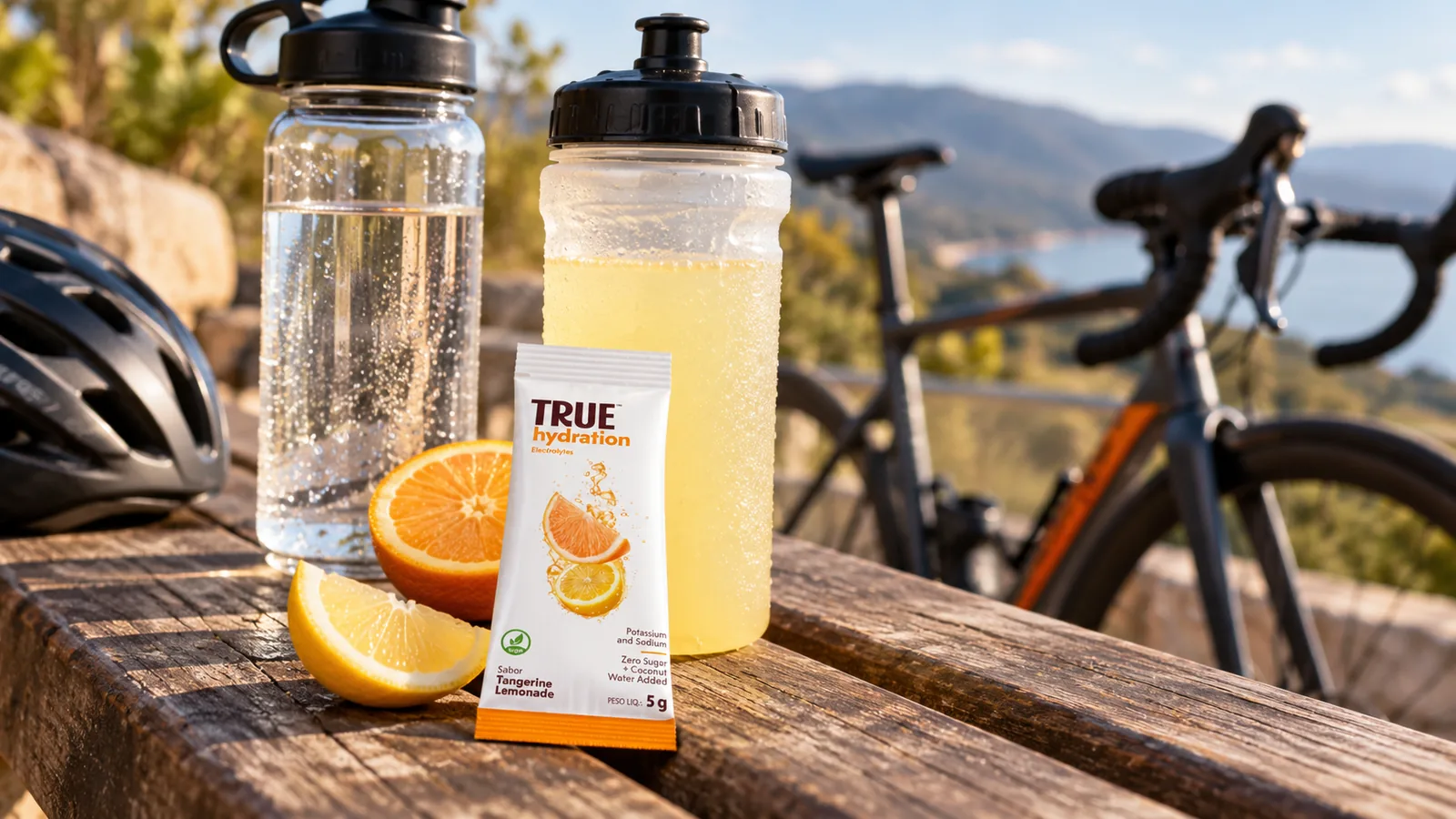
The reviewed page for True Hydration Electrolytes lists 304 mg of sodium and 2.2 g of carbohydrate per 5 g packet. Energy Gel lists 25 g of carbohydrate per unit. These figures describe the products reviewed, not an individual's requirements.
The example shows why a low-carbohydrate electrolyte drink does not automatically replace fuel for a long session. Similarly, taking a gel does not establish whether fluid intake is appropriate.
<!-- BANNER:hydration -->
Dilution changes concentration
Diluting a serving containing 304 mg of sodium in 500 ml produces 608 mg per liter. In 300 ml, the concentration is approximately 1,013 mg per liter. Drinking the entire serving still delivers 304 mg in total.
This calculation distinguishes concentration from dose. It does not determine the dilution or amount you should use: follow product directions and individual planning. Include other foods and drinks in totals when needed.
Plan by function
Instead of asking which drink is best, describe the session: duration, intensity, environment, water access and tolerance. Then check that fluids, electrolytes and fuel have been considered. Food and water meet the circumstances in some situations; sports formats make execution easier in others.
Electrolytes do not make excessive drinking safe. Nor do they guarantee cramp prevention. A useful strategy needs to work as a whole and be adjusted according to training responses.
Educational content for adults; it does not replace individual assessment and planning with a qualified professional.
References
- Sawka MN et al. American College of Sports Medicine position stand. Exercise and fluid replacement. MSSE, 2007. DOI: 10.1249/mss.0b013e31802ca597.
- Thomas DT, Erdman KA, Burke LM. Nutrition and Athletic Performance. Medicine & Science in Sports & Exercise, 2016. DOI: 10.1249/MSS.0000000000000852.
 Cada um no seu ritmo. Juntos no caminho.