
TriathlonBOOK SUMMARY
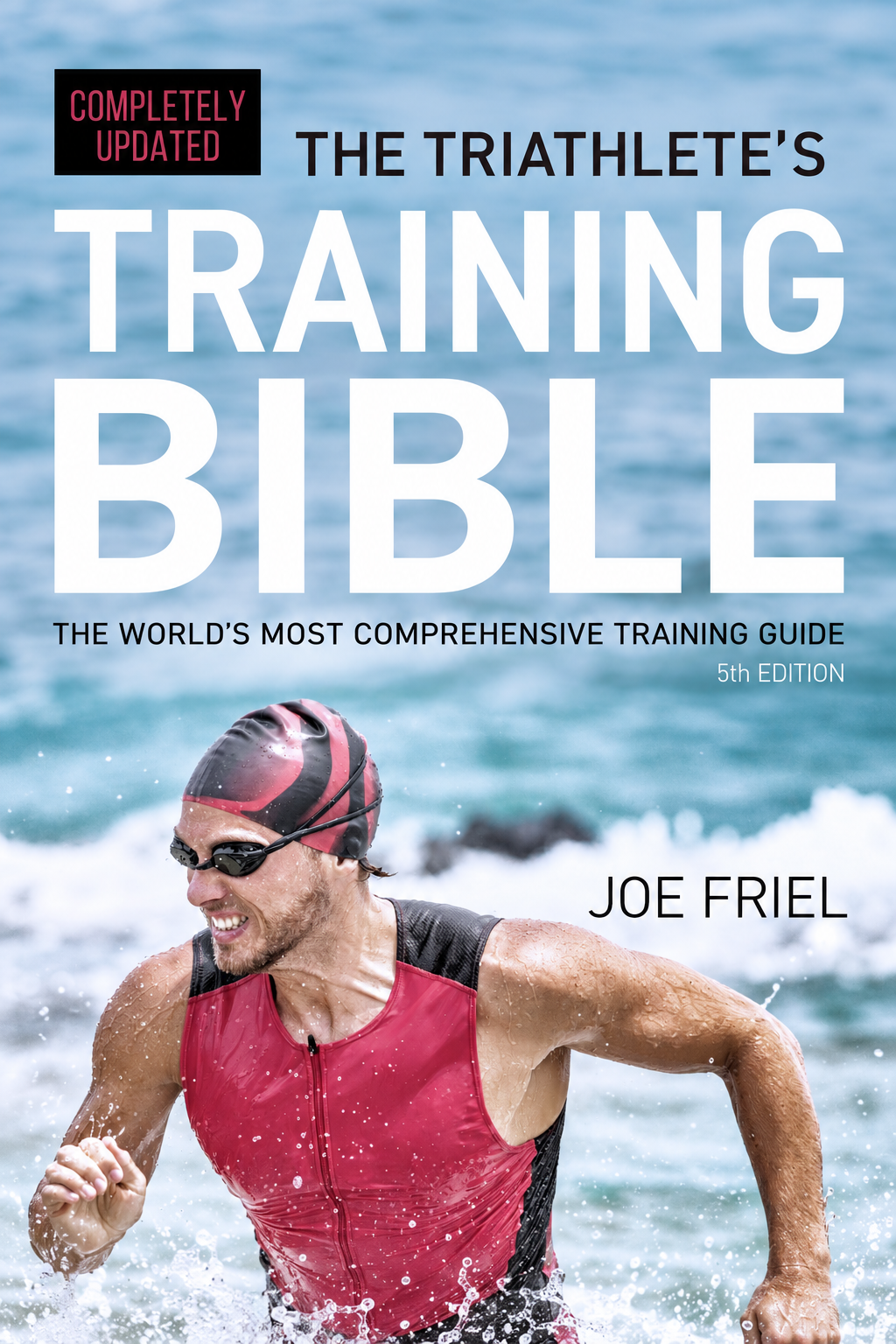
A Bíblia do Triatleta
Discover Joe Friel’s The Triathlete’s Training Bible and how it connects mental preparation, intensity, planning, technique and recovery in triathlon.
Summaries
- GeralBook overviewThe Triathlete’s Training Bible: what Joe Friel teaches about training with purposeDiscover Joe Friel’s The Triathlete’s Training Bible and how it connects mental preparation, intensity, planning, technique and recovery in triathlon.
- 01Chapter 1Mental preparation for triathlon: commitment, confidence and patience in Joe Friel’s approachChapter 1 presents the mental skills behind consistent preparation and explains how dreams, goals and commitment fit together.
- 02Chapter 2Physical preparation for triathlon: why consistency is central to The Triathlete’s Training BibleIn chapter 2, Joe Friel presents a training philosophy based on moderation, consistency and purpose, connecting performance with the realities of an athlete’s life.
- 03Chapter 3Frequency, duration, intensity and load: the foundations of training according to Joe FrielChapter 3 explains the principles of training progression and distinguishes volume, load, fatigue, fitness and race readiness.
- 04Chapter 4Triathlon intensity: how Joe Friel explains effort, zones, power and paceChapter 4 discusses measuring intensity, setting training zones and distributing training according to the athlete and the demands of the race.
- 05Chapter 5Starting a triathlon season: goals and assessments in Joe Friel’s approachChapter 5 organizes the start of preparation around goals, intermediate objectives, physical and mental assessment, and practical training conditions.
- 06Chapter 6What limits your triathlon performance? The abilities described by Joe FrielChapter 6 links aerobic capacity, threshold and economy with trainable abilities and distinguishes a weakness from a race limiter.
- 07Chapter 7How Joe Friel plans a triathlon season: goals, races and periodizationChapter 7 introduces annual planning and explains how goals and limiters become preparation periods focused on priority races.
- 08Chapter 8Planning a triathlon training week: Joe Friel’s approachChapter 8 turns the annual plan into sessions, considering priorities, effort distribution, strength work, recovery and adjustments when circumstances change.
- 09Chapter 9Is there only one way to periodize triathlon training? Joe Friel’s alternativesChapter 9 discusses planning adaptations for limited time, slower recovery and different athletes, including undulating, reverse and block periodization.
- 10Chapter 10Training stress in triathlon: how Joe Friel connects effort, fatigue and progressChapter 10 examines training demands, weighs risks against benefits and distinguishes tiredness, overload and prolonged recovery problems.
- 11Chapter 11Rest and recovery in triathlon: Joe Friel’s approach in The Triathlete’s Training BibleChapter 11 examines daily rest, calendar breaks, sleep and fatigue monitoring, alongside the author’s positions on nutrition and recovery.
- 12Chapter 12Triathlon technique: Joe Friel’s approach to swimming, cycling and running more efficientlyChapter 12 addresses movement skills, explains a technique-learning process and presents the author’s priorities for swimming, cycling and running.
- 13Chapter 13Strength for triathletes: how Joe Friel integrates resistance training and neuromuscular workChapter 13 presents strength as part of endurance preparation and discusses resistance training, plyometrics, sport-specific exercises and calendar integration.
- 14Chapter 14The training diary: how Joe Friel turns triathlon records into decisionsChapter 14 brings goals, planning, data and sensations into a training diary to assess progress and learn from training and racing.